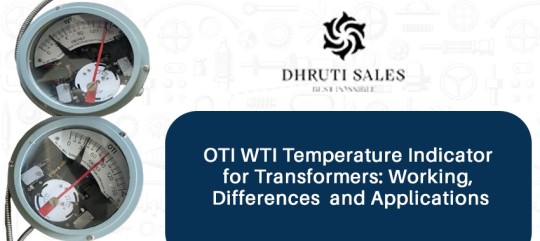
The OTI WTI Temperature Indicator is a key device that is used in transformers to track the temperature and protect against excessive heat. Temperatures that are measured with OTI WTI indicators are essential in maintaining transformer reliability, safety, productivity, and a reliable future operation.
In industrial and utility applications, the deployment of a functioning OTI WTI temperature indicator for transformers decreases the probability of failure, or trouble-free operation.
What is an OTI WTI Temperature Indicator?
An OTI WTI Temperature Indicator consists of two major components:
Together the system provides comprehensive monitoring of the transformer temperature.
The Working Principles of the OTI WTI Temperature Indicator
The OTI (Oil Temperature Indicator)
The OTI portion of the OTI WTI temperature indicator system uses a temperature sensing bulb placed within the oil of the transformer to measure oil temperature. As temperature increases, the amount of oil in the sensing bulb expands causing the reading of the temperature on the OTI dial to correspondingly reflect the increased expansion.
The WTI (Winding Temperature Indicator)
The WTI portion of the OTI WTI temperature indicative system utilizes both oil temperature sensing and electrical current input to simulate the temperature of the actual windings of the transformer and show an accurate temperature reading.
Difference in OTI WTI Temperature Indicator Functions
Although both are part of the same OTI WTI temperature indicator system, their roles differ:
Feature | OTI Function | WTI Function |
Measures | Oil temperature | Winding temperature |
Method | Direct sensing | Simulation method |
Purpose | Cooling monitoring | Core protection |
Understanding this difference helps in selecting the right OTI WTI temperature indicator for transformers.
Possible Applications of OTI/WTI Temperature Indicators
The OTI WTI temperature indicator is commonly found across a range of markets including:
Most applications will rely on the long-term viability of transforming for customers.
Advantages of Using OTI WTI Temperature Indicator
Some benefits include:
Avoiding Overheating and Transformer Damage
Enhancing Safety Levels
Reducing Maintenance Costs
Increasing Transformer Lifespan
Monitoring Temperature Efficiently and Effectively
Factors Considered While Selecting the Best OTI WTI Temperature Indicator
Some important considerations when choosing OTI WTI temperature indicators are:
Load Capacity and Transformer Rating
Precision and Responsiveness
Alarms and Trips
Durable Build Materials
Meeting Industry Standards
Importance of Using OTI WTI Temperature Indicator
The importance of using OTI WTI temperature indicator lies in the fact that it offers double protection to the transformer system. This is because;
Therefore, using both ensures total protection of transformers.
Conclusion: The Importance of Using the Correct OTI WTI Temperature Indicator
OTI WTI temperature indicators are an absolute necessity in any transformer system. These instruments provide more than just accurate temperature readings.
They protect transformers from damage, costly breakdowns, and downtime.
FAQS Related To OTI WTI temperature indicators
1. What is an OTI WTI Temperature Indicator?
A temperature indicator used for transformers which indicates the temperatures of oil and winding.
2. What is the function of the OTI WTI Temperature Indicator?
To avoid overheating and maintain safety of the transformer.
3. How do OTI WTI Temperature Indicators operate?
The combination of oil temperature sensing and electric simulation for internal temperature measurement.
4. What are the uses of OTI WTI Temperature Indicator?
Used in transformers, substation and various industrial applications